
Dr. Ganesh Shivnani is a senior and experienced cardiac surgeon in Delhi, specializing in advanced, complex, and high-risk heart surgeries. His practice focuses on safety, precision, and long-term outcomes for every patient.

The Discharge Process
The transition from hospital to home is a major milestone. Discharge is only approved once your condition is stable for safe recovery. Preparation of your discharge summary is a meticulous process, checked and re-checked by our surgical team to ensure an accurate account of your treatment.
Important: Once issued, no changes can be made to the summary, so please read it carefully with your team before leaving. Check-out is normally by 10:00 AM. While car travel is safe, please avoid long-distance journeys (over 3-4 hours) during the first week.
Caring for Your Incisions
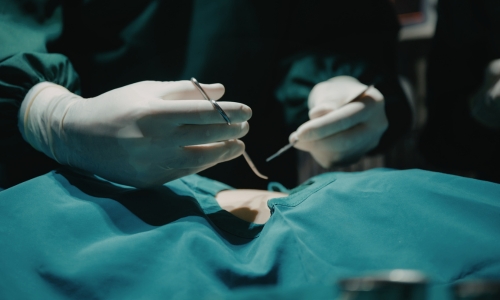
It is normal for your chest incision to feel bruised, itchy, numb, or sore for several weeks. Treating these areas with care is vital for preventing infection and ensuring proper healing.
- Bathing: Bathe daily with mild soap. Wash incisions gently—do not scrub. Pat dry and leave wounds open unless they are weeping.
- Posture: Sit and walk straight; do not slump. Avoid raising hands above shoulder height or lifting weights over 2-4 kg for the first 6 weeks.
- Healing Process: The breastbone takes 12 weeks to heal. You may feel a slight "clicking," which is common. If you have leg swelling, use support stockings.

Heart-Healthy Nutrition
A balanced diet is the fuel your body needs to speed up healing. If your appetite is low, try eating 5-6 small meals throughout the day instead of three large ones. Your focus should be on foods that are low in cholesterol, salt, and saturated fats.
- Recommended: Lentils, poultry, fish, egg whites, wheat flour with bran, skimmed milk, and plenty of fruits like apples and papaya.
- Avoid: Frying food, reusing cooking oil (which creates harmful trans-fats), aerated drinks, and bakery products.
Medication Management
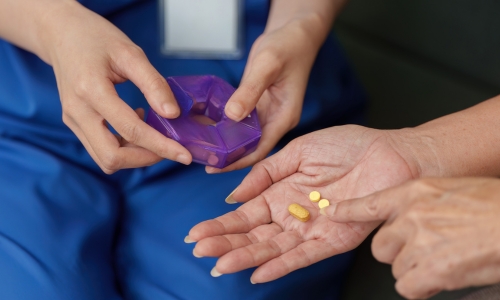
Medication adherence is critical. Take only those medicines prescribed in your discharge summary. Do not resume pre-operative medications unless specifically instructed by Dr. Shivnani.
For Blood Thinners (Acitrom/Warfarin): If you are prescribed anticoagulants, you must be vigilant. Monitor for signs like black stools or unexplained bruising. Keep strict appointments for your PT/INR tests (twice a week initially), and always inform dentists or other doctors about your medication before any procedure.

6-Week Recovery Roadmap
Recovery is a marathon, not a sprint. Following a graduated activity plan helps your heart adjust safely.
- Week 1: Restrict visitors. Short 5-10 meter walks inside the house. No lifting.
- Week 2-3: Increase walks to 10-20 minutes. You may start receiving visitors and enjoying small, non-strenuous social outings.
- Week 4-6: Increase walking pace and start light household chores (like dusting). By Week 6, most patients return to driving, normal sexual activities, and sedentary work.
Mental & Emotional Recovery
Physical healing is only half the battle. A "let down" feeling or tearfulness is extremely common after major surgery. You might experience irritability, memory gaps, or vivid dreams.
Please remember that these are temporary physiological responses to the stress of surgery. They usually resolve within 4–6 weeks as your body recovers. Be kind to yourself, and lean on your support system during this time.